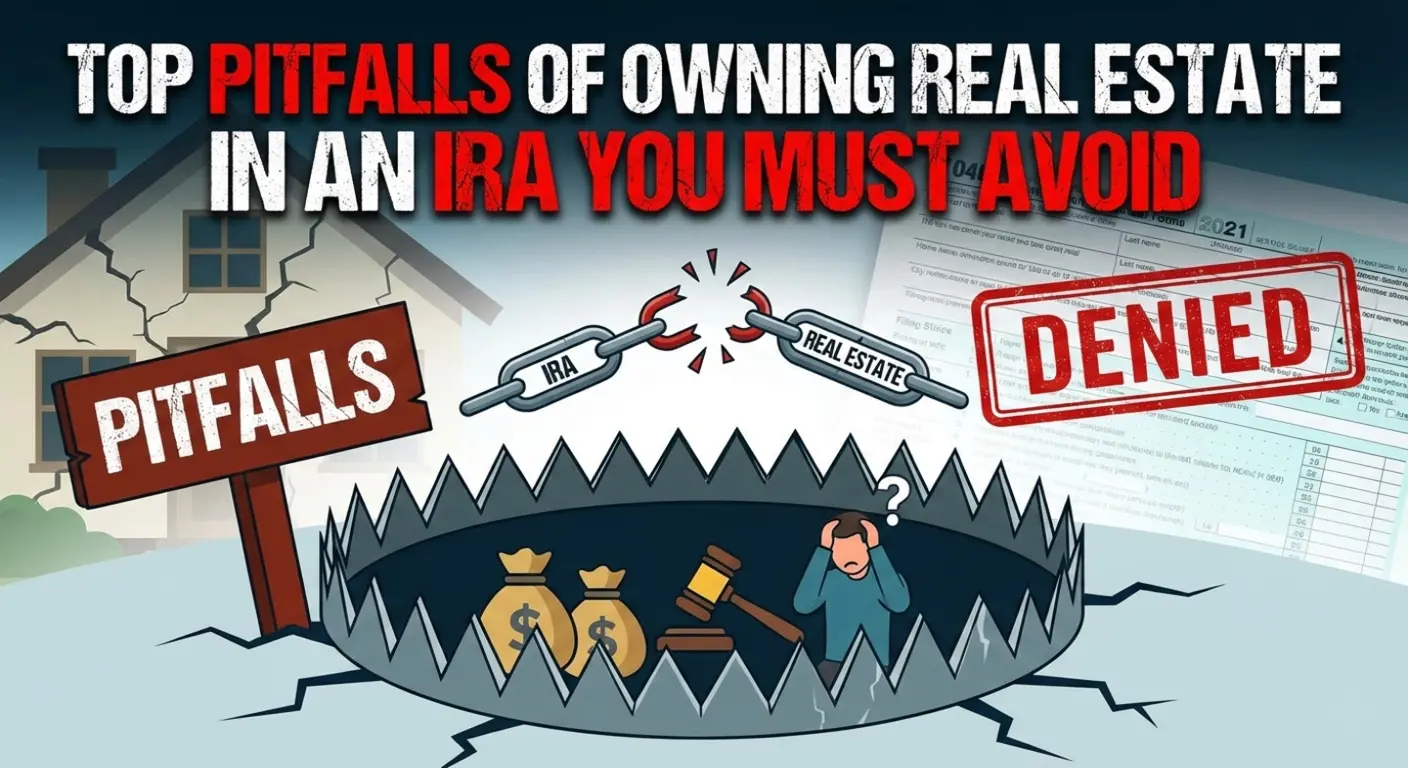
Top Pitfalls of Owning Real Estate in an IRA You Must Avoid
Understanding Real Estate Investments in an IRA
Real estate investments within an Individual Retirement Account (IRA) offer a unique opportunity for diversification and potential growth. Unlike traditional investments in stocks, bonds, or mutual funds, real estate can provide steady cash flow through rental income and the possibility of property appreciation over time. The allure of leveraging the tax advantages of an IRA while building a tangible asset like real estate is compelling for many investors.
However, owning real estate in an IRA isn’t as straightforward as it might seem. The process involves a myriad of rules, regulations, and potential pitfalls that could jeopardize the investment. Understanding the nuances of real estate IRAs is crucial before diving in. This includes recognizing the types of properties that can be held in an IRA, the purchasing process, and the responsibilities that come with property ownership.
Investors must navigate the complexities of self-directed IRAs, which allow for a broader range of investment options, including real estate. These accounts require a custodian to manage them and ensure compliance with IRS regulations. The custodian’s role is vital in facilitating transactions, maintaining records, and providing necessary reports to the IRS. A comprehensive understanding of these elements lays the foundation for a successful real estate IRA investment.
Common Misconceptions About Real Estate IRAs
There are several misconceptions about owning real estate in an IRA that can lead to costly mistakes. One common myth is that the process is similar to purchasing real estate outside of an IRA. In reality, the rules and restrictions are much stricter when using retirement funds. Investors often assume they can manage the property directly, but this is typically not allowed under IRS regulations.
Another misconception is that all real estate investments within an IRA are tax-free. While the IRA itself offers tax-deferred growth, any income generated by the property, such as rental income, must be handled according to specific rules. Additionally, if the property is financed with a mortgage, the income attributable to the debt-financed portion may be subject to Unrelated Business Income Tax (UBIT).
Many investors also believe that they can use the property for personal benefit, such as vacationing in a rental property owned by their IRA. This is strictly prohibited and can lead to severe penalties. It’s essential to dispel these myths and understand the true nature of real estate IRAs to avoid falling into these common traps.
The Importance of Compliance with IRS Regulations
Compliance with IRS regulations is paramount when it comes to owning real estate in an IRA. The IRS imposes strict rules to ensure that the tax advantages of IRAs are not abused. Failure to adhere to these regulations can result in the disqualification of the IRA, leading to immediate taxation and penalties on the entire account.
One of the critical areas of compliance is avoiding prohibited transactions, which include any dealings between the IRA and disqualified persons, such as the account holder and their immediate family members. Engaging in prohibited transactions can cause the IRA to lose its tax-advantaged status. Additionally, any expenses related to the property, such as maintenance and repairs, must be paid directly from the IRA, not from personal funds.
Proper record-keeping and documentation are essential to demonstrate compliance with IRS rules. This includes keeping detailed records of all transactions, expenses, and income related to the property. Working with a knowledgeable custodian and seeking professional advice can help ensure that all IRS requirements are met and that the investment remains in good standing.
Pitfall 1: Failure to Follow Prohibited Transaction Rules
One of the most significant pitfalls in owning real estate within an IRA is failing to follow prohibited transaction rules. The IRS has stringent guidelines about what constitutes a prohibited transaction, and violating these can have severe consequences. Prohibited transactions include any direct or indirect dealings between the IRA and disqualified persons, which include the account holder, their spouse, ancestors, lineal descendants, and any entities they control.
For example, the account holder cannot live in or vacation at the property owned by the IRA, nor can any disqualified persons use the property. Additionally, the IRA owner cannot personally perform maintenance or repairs on the property. These actions are considered self-dealing and can lead to the disqualification of the IRA, resulting in the entire account being subject to taxes and penalties.
To avoid prohibited transactions, it’s crucial to maintain an arm’s length distance from the property. All decisions and transactions must be conducted through the IRA custodian, and any services or repairs must be performed by independent third parties. Ensuring strict adherence to these rules is vital to preserving the tax-advantaged status of the IRA.
Pitfall 2: Neglecting Proper Due Diligence
Neglecting proper due diligence is another common pitfall that can derail a real estate IRA investment. Due diligence involves thoroughly researching and evaluating the property before making a purchase. This includes understanding the local real estate market, assessing the property’s condition, and analyzing potential rental income and expenses.
Investors must also consider the property’s long-term prospects, including potential appreciation, neighborhood trends, and any planned developments in the area. Failing to conduct adequate due diligence can result in purchasing a property that underperforms or incurs unexpected expenses, negatively impacting the IRA’s overall returns.
Engaging professionals such as real estate agents, inspectors, and appraisers can provide valuable insights and help identify potential issues before they become costly problems. Additionally, reviewing comparable sales, rental rates, and market trends can ensure that the investment aligns with the investor’s financial goals and risk tolerance.
Pitfall 3: Ignoring Maintenance and Management Responsibilities
Ignoring maintenance and management responsibilities is another trap that can lead to significant issues for real estate IRA investors. Properties require ongoing maintenance and management to remain in good condition and generate consistent rental income. Neglecting these responsibilities can result in decreased property value, higher vacancy rates, and increased expenses.
It’s important to remember that the IRA, not the account holder, is responsible for all property-related expenses. This includes repairs, maintenance, property taxes, insurance, and management fees. Using personal funds to cover these costs is prohibited and can lead to disqualification of the IRA.
Hiring a professional property management company can help ensure that the property is well-maintained and managed according to industry standards. Property managers can handle tenant screening, rent collection, maintenance, and repairs, allowing the investor to remain compliant with IRS regulations while ensuring the property’s success.
Pitfall 4: Underestimating Tax Implications
Underestimating tax implications is a common mistake that can have significant financial consequences for real estate IRA investors. While IRAs offer tax-deferred growth, certain income generated by the property may be subject to taxes. This includes rental income and capital gains from the sale of the property.
If the property is financed with a mortgage, the income attributable to the debt-financed portion is subject to Unrelated Business Income Tax (UBIT). UBIT can significantly impact the overall returns of the investment, and failing to account for this tax can result in unexpected liabilities.
It’s essential to work with a tax professional who understands the complexities of real estate IRAs and can help navigate the tax implications. This includes calculating potential UBIT, understanding how rental income is taxed, and planning for any capital gains taxes upon the sale of the property. Proper tax planning can help mitigate these impacts and ensure that the investment remains financially viable.
Pitfall 5: Overlooking the Importance of Diversification
Overlooking the importance of diversification is a critical mistake that can increase the risk of a real estate IRA investment. While real estate can provide significant returns and diversification within an investment portfolio, concentrating too much of the IRA’s assets in a single property or type of real estate can be risky.
Market fluctuations, property-specific issues, and economic downturns can all impact the performance of a real estate investment. By diversifying the IRA’s assets across different types of investments, such as stocks, bonds, and other real estate properties, investors can reduce their overall risk and improve the stability of their returns.
It’s important to regularly review and rebalance the IRA’s portfolio to ensure that it remains diversified and aligned with the investor’s financial goals. This may involve selling underperforming assets, reinvesting in other opportunities, and adjusting the portfolio’s allocation based on market conditions and the investor’s risk tolerance.
Strategies to Mitigate Risks in Real Estate IRAs
Mitigating risks in real estate IRAs involves implementing strategies that address the common pitfalls and ensure compliance with IRS regulations. One of the most effective strategies is to work with experienced professionals who understand the complexities of real estate IRAs. This includes custodians, tax advisors, real estate agents, and property managers.
Another key strategy is to develop a comprehensive investment plan that outlines the investor’s financial goals, risk tolerance, and investment criteria. This plan should include detailed due diligence procedures, property management strategies, and tax planning considerations. Having a clear plan in place can help guide investment decisions and reduce the likelihood of costly mistakes.
Regularly reviewing and monitoring the IRA’s performance is also essential for mitigating risks. This includes tracking rental income, expenses, property values, and market trends. Staying informed about changes in IRS regulations and market conditions can help investors make informed decisions and adjust their strategies as needed.
Conclusion: Making Informed Decisions for Your Real Estate IRA
Owning real estate in an IRA can be a rewarding investment, but it’s essential to be aware of the potential pitfalls and take proactive steps to avoid them. Understanding the unique aspects of real estate IRAs, dispelling common misconceptions, and adhering to IRS regulations are critical for success.
By avoiding prohibited transactions, conducting thorough due diligence, prioritizing maintenance and management, understanding tax implications, and maintaining a diversified portfolio, investors can mitigate risks and enhance the potential returns of their real estate IRA.
Ultimately, making informed decisions and seeking professional guidance can help ensure that a real estate IRA investment aligns with the investor’s financial goals and provides long-term growth and stability. With careful planning and diligent management, real estate can be a valuable addition to an IRA portfolio.
Have Questions About Your Self-Directed IRA?
Schedule a free 30-minute consultation with Bullionite Asset Group. No pitch, no pressure, no referral commissions.

As the Founder and Chief Investment Officer of Bullionite and Bullionite Asset Group, I’ve built my career on a simple premise understanding the intersection of macroeconomics, commodities, and digital assets to stay ahead of the curve, not under it. My focus is on navigating the complexities of the world’s largest markets spanning the US, the Middle East, and Asia to identify high-value opportunities for alternative investment.
With a specialized focus on Self-Directed IRAs (SDIRAs), I help investors move beyond traditional 401ks by integrating assets like precious metals and cryptocurrency into their retirement strategies. Based in Newport Beach, California, I am dedicated to bridging the gap between traditional finance and the evolving landscape of new age digital assets, ensuring that every strategic move is backed by deep market insight and a commitment to long-term growth.