AI Self-Directed IRA Investment Assistant: Real Estate, Gold IRA & Crypto Strategy Tool
Discover how Self-Directed IRAs unlock investments in real estate, gold & silver IRAs, precious metals, and crypto assets locked out of traditional IRAs. Our free AI tool scores your risk profile and builds a personalized SDIRA allocation in minutes.
What Is a Self-Directed IRA — and Why Does It Matter?
Most investors only know about traditional IRAs that hold stocks, bonds, and mutual funds. A Self-Directed IRA (SDIRA) gives you the same powerful tax advantages — but opens the door to alternative assets like rental real estate, physical gold and silver, precious metals, and cryptocurrency. Bullionite Asset Group helps you understand how to build and manage that strategy correctly.
📖 SDIRA Definition
A Self-Directed IRA is an Individual Retirement Account that allows you to invest in a broader range of assets beyond the stock market. Unlike a traditional IRA held by a bank or brokerage, an SDIRA requires an IRS-approved SDIRA custodian who holds the account while you direct where the funds are invested. This includes real estate, gold IRAs, silver IRAs, private equity, and more. All income and gains flow back into the IRA — tax-deferred (Traditional) or tax-free (Roth SDIRA).
Self-Directed IRA vs Traditional IRA — Key Differences
| Feature | Traditional IRA | Self-Directed IRA (SDIRA) |
|---|---|---|
| Invest in Stocks & Bonds | ✓ Yes | ✓ Yes |
| Invest in Real Estate | ✗ No | ✓ Yes |
| Gold & Silver IRA (Physical) | ✗ No | ✓ Yes |
| Cryptocurrency (Bitcoin, ETH) | ✗ No | ✓ Yes |
| Precious Metals Investing | ✗ No | ✓ Yes |
| Requires SDIRA Custodian | ✗ No | ✓ Required |
| Prohibited Transaction Rules (IRC §4975) | Standard | Additional rules apply |
| Roth Option Available | ✓ Yes | ✓ Self-Directed Roth IRA |
| Checkbook Control / SDIRA LLC | ✗ No | ✓ Via SDIRA LLC |
⚠️ This table is for educational comparison only. Consult your SDIRA custodian and a qualified CPA before opening any account. Rules governed by IRS Publications 590-A and 590-B.
How to Set Up and Invest
Through a Self-Directed IRA
Opening an SDIRA involves a few critical steps — choosing the right custodian, funding your account, and understanding prohibited transaction rules before you invest.
Choose an SDIRA Custodian
An IRS-approved SDIRA custodian holds your account. Not all custodians allow every asset type — look for top-rated SDIRA custodians that support real estate, gold IRAs, precious metals, and crypto investing.
Fund Your Account
Open your SDIRA with new contributions or roll over an existing 401k or traditional IRA. Many investors do a 401k rollover to a self-directed IRA to unlock alternative asset classes while preserving tax advantages.
Build Your Strategy with AI
Use our free AI tool to model your risk profile and get an educational allocation across real estate, gold & silver IRAs, precious metals, and cryptocurrency — with Monte Carlo projections and scenario stress testing.
Invest & Stay Compliant
All transactions must flow through your custodian. Prohibited transactions under IRC §4975 can disqualify your IRA. Work with a CPA familiar with SDIRA rules and regulations to stay compliant.
What Can You Invest In
With a Self-Directed IRA?
SDIRAs support a wide range of alternative investment assets that build portfolio diversification beyond traditional markets. Here are the major asset classes available to SDIRA investors.
Gold IRA & Gold Investing
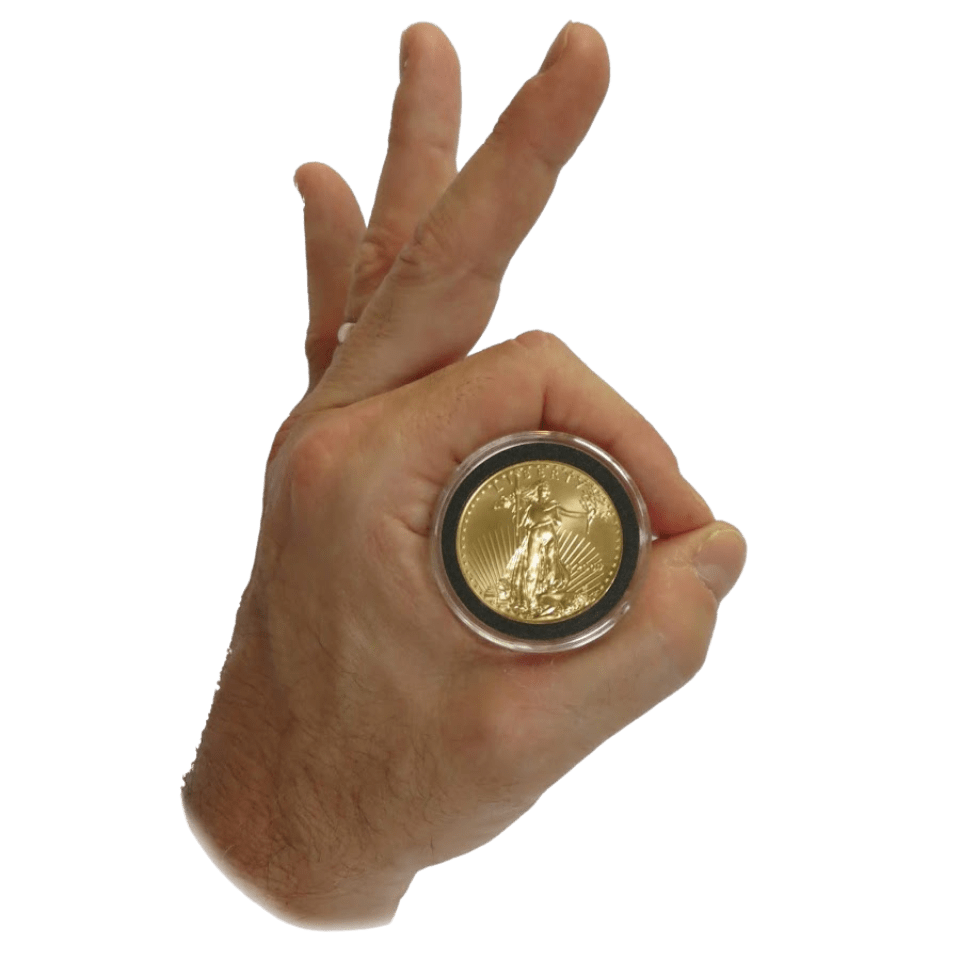
A Gold IRA lets you hold IRS-approved physical gold coins and bars inside your retirement account. Gold IRAs act as an inflation hedge, preserving purchasing power across economic cycles. Storage must be with an approved depository — not at home.
Real Estate IRA Investing
Learn how to invest in real estate using your SDIRA — from rental property and commercial real estate to real estate syndications. Rental income and gains flow back into the IRA tax-free or tax-deferred. Beware prohibited transaction rules if family is involved.
Silver & Precious Metals IRA
Beyond gold, SDIRAs support silver IRAs, platinum, and palladium investing. Precious metals IRAs provide tangible asset exposure and diversification from paper markets. All metals must meet IRS purity standards.
Crypto Self-Directed IRA
A crypto self-directed IRA lets you hold Bitcoin, Ethereum, and other digital assets inside a tax-advantaged account. A Bitcoin Roth IRA can generate tax-free gains on crypto growth. High volatility makes custodian guidance and position sizing critical.
Real Estate Syndication
Real estate syndication pools investor capital to purchase large commercial assets. SDIRAs can participate as passive investors — receiving proportional income and appreciation without direct property management responsibilities.
Other Alternative Assets
SDIRAs also allow alternative asset investment in private equity, promissory notes, tax liens, and LLCs. Using an SDIRA LLC with checkbook control gives faster access to investment opportunities without custodian delays on every transaction.
Can you buy real estate with a Self-Directed IRA?
Yes. One of the most popular uses of an SDIRA is purchasing real estate — including rental properties, commercial buildings, raw land, and tax liens. All income and appreciation flow back into your IRA tax-deferred or tax-free (Roth). However, you cannot personally use the property, and family members (disqualified persons under IRC §4975) cannot either. Financing must be through a non-recourse loan, which may trigger UBIT tax on leveraged income. Always consult your SDIRA custodian and a CPA.
What are prohibited transactions in a Self-Directed IRA?
Prohibited transactions under IRC §4975 occur when your SDIRA engages in business with “disqualified persons” — including you, your spouse, parents, children, or any entity you control more than 50%. Examples include: personally using IRA-owned property, lending IRA money to a disqualified person, paying yourself for services to the IRA, or buying property you already own. A prohibited transaction can disqualify your entire IRA, triggering immediate taxes and penalties on the full balance.
How does a Self-Directed IRA rollover from a 401k work?
Rolling over a 401k to a self-directed IRA preserves your tax-advantaged status while unlocking alternative asset classes. The process: (1) Open an SDIRA with an approved custodian, (2) Request a direct rollover from your 401k plan administrator to avoid the 20% withholding tax, (3) Funds arrive at the SDIRA custodian within 60 days. A direct trustee-to-trustee transfer avoids any tax event. Compare Solo 401k vs Self-Directed IRA — a Solo 401k may allow higher contribution limits if you’re self-employed.
Are Gold IRAs a good idea for retirement investing?
Gold IRAs offer inflation protection and portfolio diversification benefits that paper assets cannot replicate. Historically, gold has maintained purchasing power during recessions and currency devaluations. However, gold pays no dividends or rental income, has storage and insurance costs, and can be volatile in the short term. Most financial educators suggest limiting gold to 5–25% of a retirement portfolio. A Gold and Silver IRA combining both metals can balance these trade-offs. Use our free AI tool above to model gold IRA allocations within a broader SDIRA strategy.
What is an SDIRA LLC with checkbook control?
A Self-Directed IRA LLC (also called a checkbook control IRA) is a structure where your SDIRA owns a single-member LLC, and you act as manager of that LLC. This gives you checkbook control — you can write checks directly from the LLC bank account to make investments quickly, without waiting for custodian approval. Setup costs typically run $1,000–$2,500. The LLC must have a proper SDIRA LLC operating agreement and strict records to avoid prohibited transactions. Consult an SDIRA attorney before setting one up.
What is a Self-Directed Roth IRA and how is it different?
A Self-Directed Roth IRA functions like a standard Roth IRA — contributions are made with after-tax dollars, but qualified withdrawals are completely tax-free, including all growth. This makes a Self-Directed Roth IRA particularly powerful for high-growth alternative assets like real estate and crypto, where substantial long-term appreciation is possible. Unlike a Traditional SDIRA, there are no required minimum distributions (RMDs) during the owner’s lifetime, making it an exceptional wealth transfer vehicle.
IRS Compliance & Regulatory Framework
Self-Directed IRA rules are governed by the IRS Publication 590-A (Contributions) and IRS Publication 590-B (Distributions). Prohibited transaction rules fall under IRC §4975. The U.S. Department of Labor also provides oversight of IRA fiduciary standards. Bullionite Asset Group is an educational resource. Nothing on this page constitutes financial, tax, or legal advice. Always consult a qualified SDIRA custodian, licensed CPA, and attorney before making investment decisions.