Silver IRA: Open, Roll Over & Hold Physical Silver for Retirement
Silver IRA: Open, Roll Over & Hold Physical Silver for Retirement
Silver IRA: How to Fund & Hold Physical Silver for Retirement
A Silver IRA is a self-directed IRA that holds physical, IRS-approved silver bars and coins inside the same tax-advantaged wrapper as a traditional or Roth IRA. Bullionite Asset Group opens your silver IRA account, runs your 401(k), 403(b), TSP, or IRA rollover tax-free, and sources IRA-approved silver from a vetted dealer network. Whether you’re opening a silver IRA from scratch, looking to invest in silver as an inflation hedge, or moving an existing silver IRA investment to a better setup, you work with one consultant, get silver IRA fees in writing, and keep an independent custodian that answers to you, not to us.
The Basics
What is a Silver IRA?
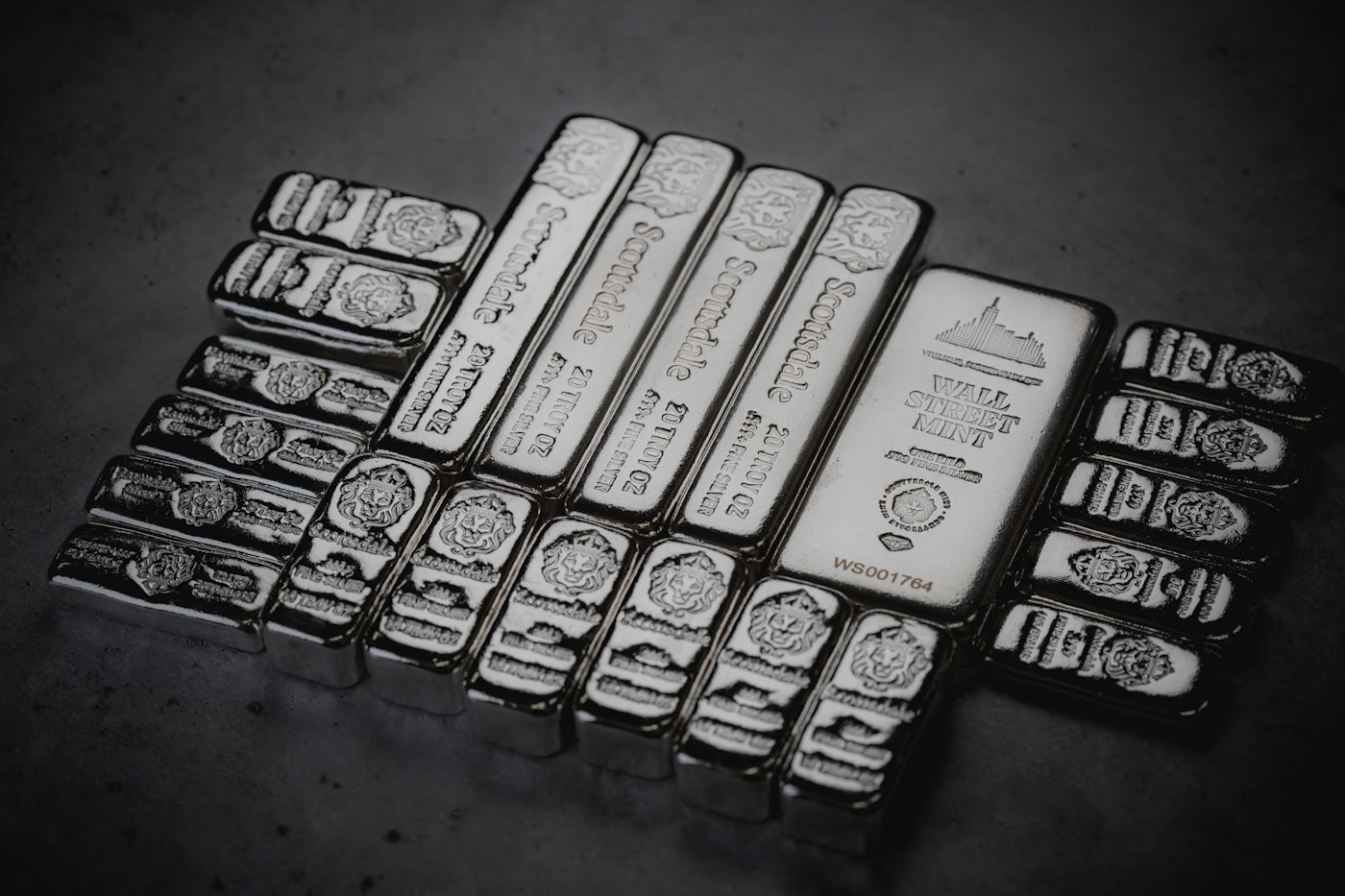
A silver IRA (also called a physical silver IRA or silver bullion IRA) is a self-directed IRA (SDIRA) that holds physical silver in your name at an IRS-approved depository instead of stocks, bonds, or mutual funds. The tax treatment is identical to a traditional or Roth IRA. The only thing that changes is what’s sitting inside the silver IRA account. People also call it a silver backed IRA, a silver coins IRA, or a silver IRA plan, depending on which dealer they last spoke to. They all describe the same thing: real metal, IRS-approved, in a retirement wrapper.
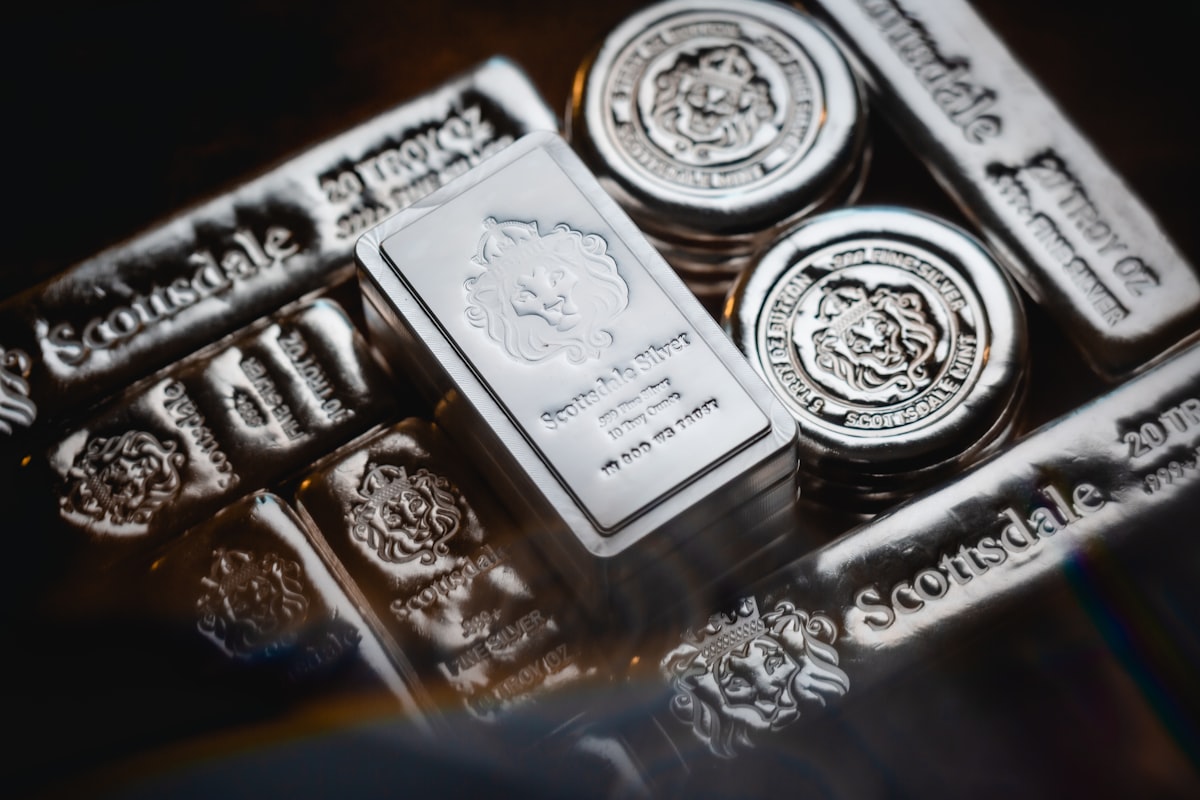
How does a silver IRA work in practice? Just you, a custodian, a depository, and real metal holding the account together.
Get My Free Retirement Analysis →Two pieces have to be in place for a silver IRA to work:
A self-directed IRA custodian (we use STRATA Trust or Equity Trust) administers the account, files the IRS paperwork, and holds title.
An IRS-approved depository physically vaults the metal, segregated or commingled, fully insured.
You never take personal possession of the metal. The IRS treats personal possession of IRA-held bullion as a distribution, which is why every “home storage silver IRA” pitch ends badly. More on that in the FAQ.
A silver IRA can be structured as a traditional silver IRA, a Roth silver IRA, or a SEP. Roth IRA silver grows the same way stocks would inside a Roth (tax-free on qualified withdrawals), and rolling a SEP IRA into silver follows the same mechanics as moving it into any other self-directed account. You can also hold gold, platinum, or palladium alongside the silver if you want a full gold and silver IRA. Self-directed IRA silver just means you choose the metal, the dealer, the depository, and the timing.
The Rules
IRS rules and IRA-approved silver products
Silver IRA rules come from Internal Revenue Code §408(m)(3), which carves out an exception to the “no collectibles in an IRA” rule for bullion that meets strict fineness standards. For silver, the rules are short:
- ✓ Minimum fineness: .999 (99.9% pure)
- ✓ Produced by a national government mint, or by an accredited refiner / assayer / manufacturer (LBMA, COMEX, NYMEX, NYSE/Liffe, ISO 9000)
- ✓ Held by a qualified IRA trustee (a bank or IRS-approved non-bank custodian, see IRS Publication 590-A)
- ✓ Stored at an approved depository, not at home
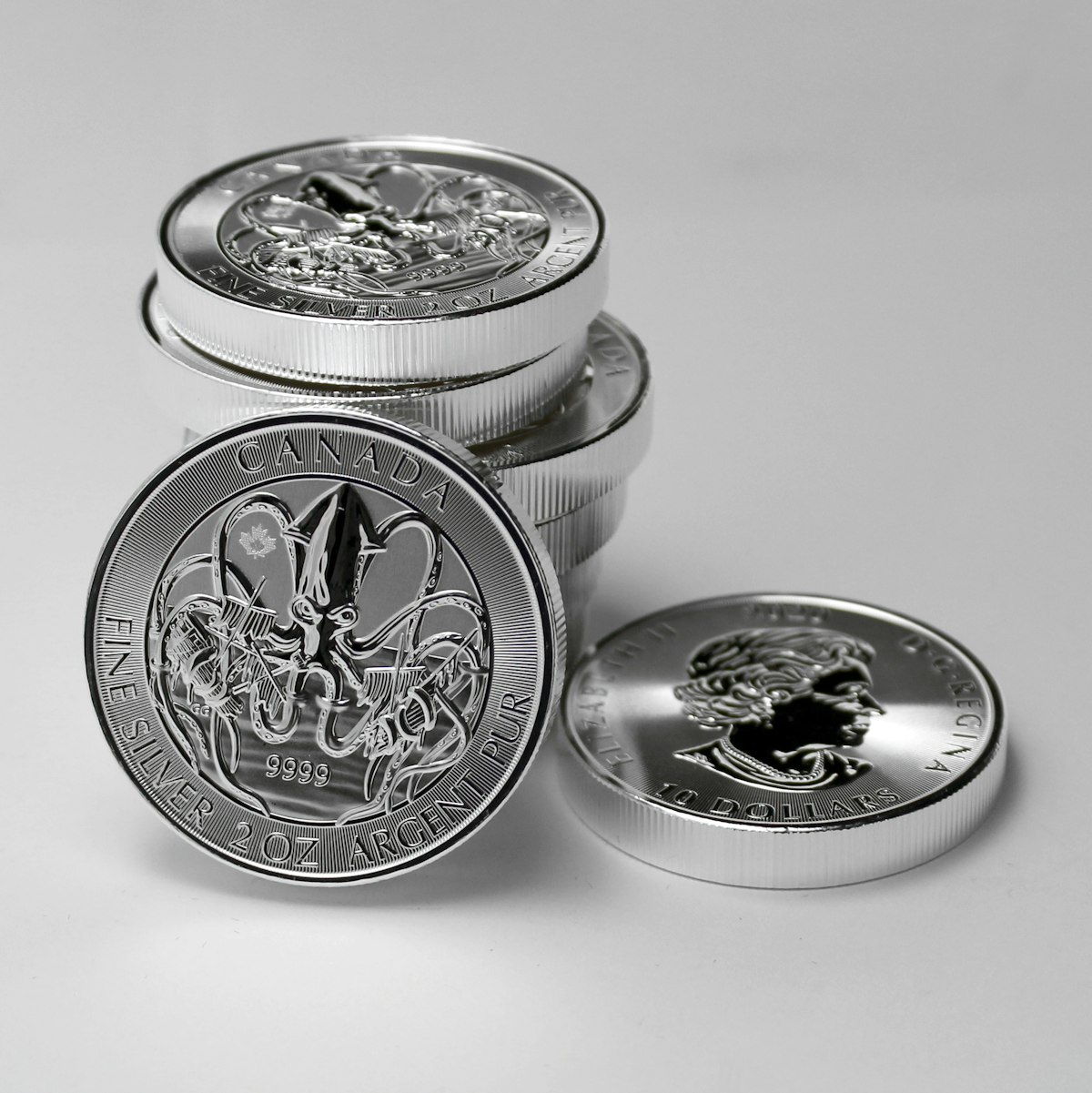
IRA approved silver coins
The ira approved silver coins we place most often in client accounts (the “best silver coins for IRA” by liquidity and premium):
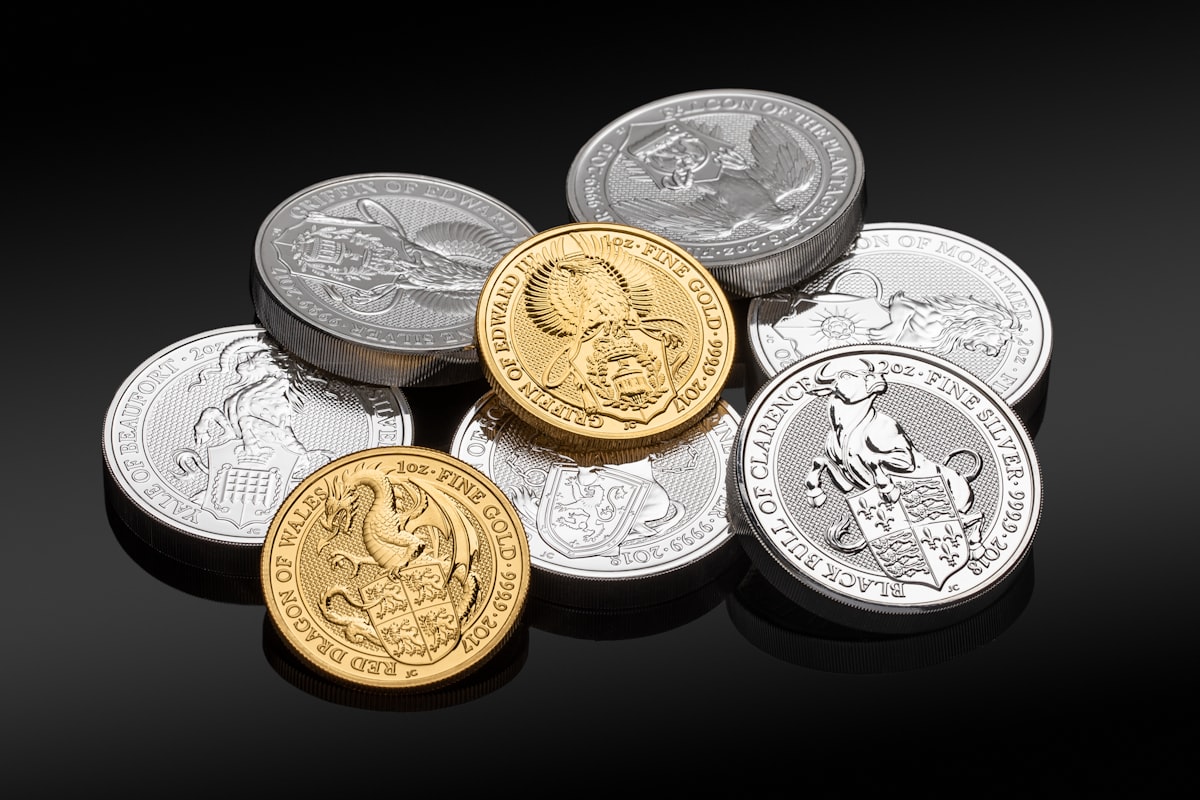
- ✓ American Silver Eagle (.999), issued by the U.S. Mint under the American Eagle Bullion Program. The American Silver Eagle IRA route, also called a silver eagle IRA, is the most common starting point because it’s the only silver coin explicitly named in the IRC.
- ✓ Canadian Silver Maple Leaf (.9999)
- ✓ Austrian Silver Philharmonic (.999)
- ✓ Australian Silver Kangaroo & Koala (.9999)
- ✓ Britannia (.999)
What is NOT ira eligible silver
- ✗ Pre-1965 U.S. “junk silver” 90% coins (under .999 fineness)
- ✗ Numismatic or “rare” coins, proof sets sold at huge premiums
- ✗ Any bar without an accredited hallmark
- ✗ “Commemorative” or privately minted rounds without certified assay
If a dealer pushes “exclusive proprietary” or “semi-numismatic” coins into your IRA, walk. That’s the single most common silver IRA scam pattern flagged in the CFTC’s customer advisory on precious metals fraud. You can absolutely hold silver in your IRA, but only if the metal clears the .999 fineness rule and lives at an approved silver IRA depository.
This is the short version of the IRA silver list. The full IRA silver list (every product we’ll buy for a client account) is longer and gets updated when refiners change accreditation status.
The Process
How to Open a Silver IRA (Step by Step)
How to open a silver IRA in 2026, end to end, takes 7 to 14 days. New silver IRA accounts at Bullionite Asset Group follow the same five-step process every time. Here’s the silver IRA 2026 rollover and account-opening flow:
-
Free consultation (15 min)
We look at your current retirement accounts, target allocation, and timeline. No pressure. No cold calls.
-
Open your self-directed IRA
We file the application with STRATA Trust or Equity Trust (your call). Setup is around $50, one time. Annual admin runs $80 to $125. Both are widely considered the best silver IRA custodian options for retail investors because they’re independent, nationally chartered, and don’t take dealer kickbacks. Your silver IRA custodian is the trustee of record.
-
Fund the account
Three ways to do it:
- ✓ New contribution within the 2026 IRA contribution limit (see Section 8)
- ✓ Transfer from another IRA (no tax, unlimited)
- ✓ Rollover from a 401(k), 403(b), or TSP (no tax if direct, see Section 6)
-
Buy silver in IRA form
Once the funds clear, we send live, written quotes from multiple dealers showing spot price and premium broken out separately. No bundled prices. No hidden spread. You decide what to buy silver for your IRA from, and how much.
-
Lock in silver IRA storage
Metals ship insured to Delaware Depository, Brink’s Global Services, or IDS, segregated or non-segregated, your call. You receive serial-number confirmation and quarterly statements. Silver IRA storage fees run $150 to $300 a year depending on whether you pick segregated or commingled.
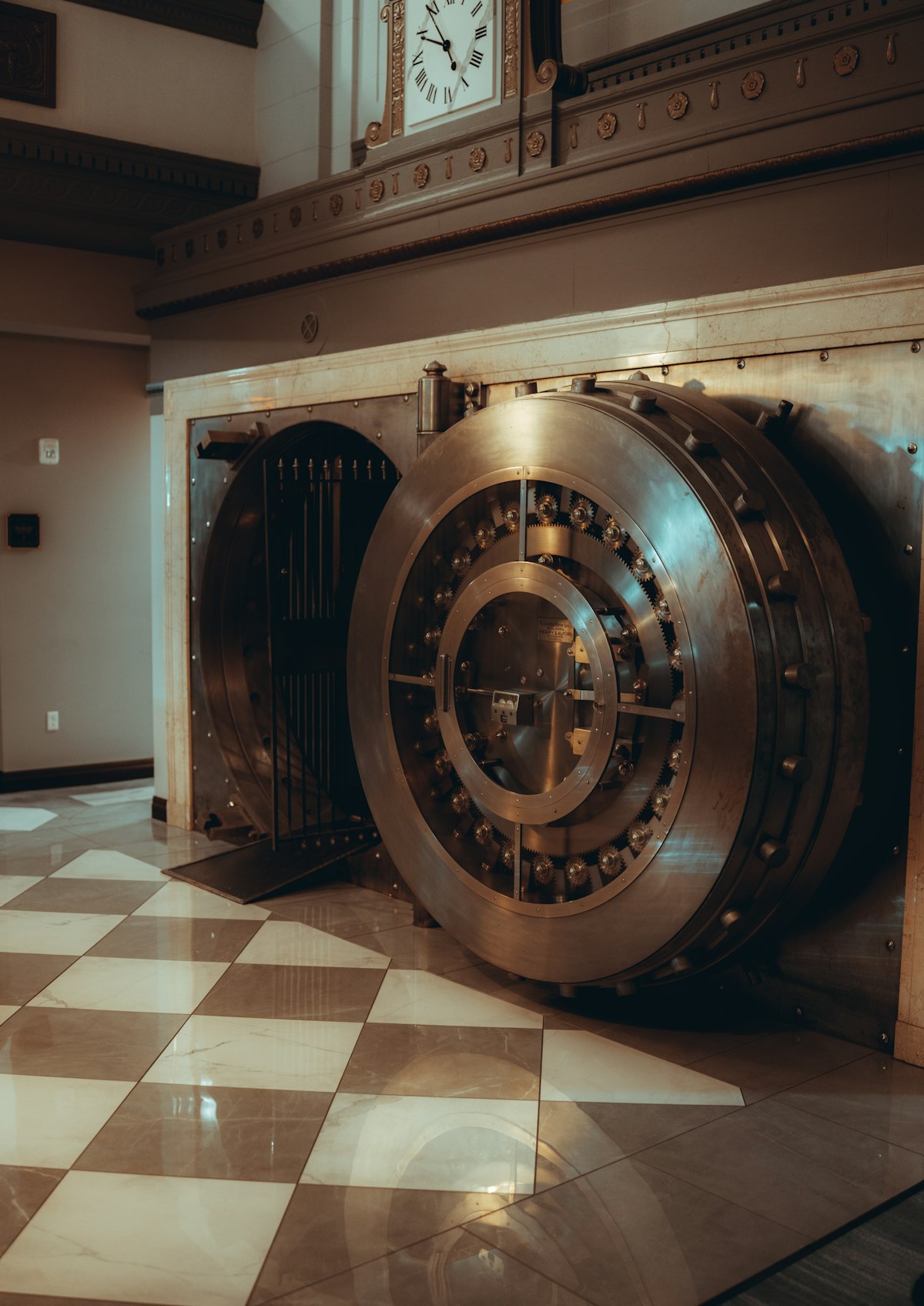
Your metal ships insured to an IRS-approved depository (Delaware Depository, Brink’s Global Services, or IDS), with serial-number confirmation and quarterly statements.
Total typical cost on a $50K account is $230 to $400 a year all-in (custodian plus storage). That’s well under the 1% management fee charged on most actively managed retirement funds.
Funding
Silver IRA Rollover: 401(k), 403(b), TSP & IRA Transfer
A silver IRA rollover (or silver IRA transfer, depending on the source account) moves money from another retirement plan into your new self-directed IRA so you can buy silver with IRA money without triggering taxes or the 10% early-withdrawal penalty.
When clients ask how to convert IRA to silver, or whether it’s cleaner to rollover IRA to silver versus transfer IRA to silver, the answer is almost always the same: a direct trustee-to-trustee move. The best silver IRA rollover companies are the ones that finish the silver IRA rollover process in under two weeks without losing a form along the way.
Eligible source accounts:
- ✓ Traditional IRA, Roth IRA, SEP-IRA, SIMPLE IRA (after 2 years)
- ✓ 401(k), Solo 401(k), Roth 401(k)
- ✓ 403(b), 457(b)
- ✓ Federal Thrift Savings Plan (TSP), eligible after separation or age 59½
- ✓ Pensions (after a qualifying event)
Direct vs indirect rollover. Pick direct.
Direct rollover We run these
A direct (trustee-to-trustee) rollover moves the funds straight from your old plan administrator to your new IRA custodian. Nothing is reportable as income. No 20% mandatory withholding. No 60-day clock. We run direct rollovers for every client, no exceptions.
Indirect rollover Don’t do it
An indirect rollover sends a check to you. You then have 60 days to redeposit it into the new IRA. Miss the window and the entire balance becomes taxable, plus a 10% penalty if you’re under 59½. Per IRS rollover rules, you also only get one indirect rollover per 12 months across all your IRAs. Don’t do indirect.
The mechanics on your end are identical: sign two forms, wait 7 to 14 days, and the money lands ready to buy bullion. Whether you’re running a 401k to silver IRA rollover from an old employer plan, or planning to convert a Roth IRA to silver in a single trustee-to-trustee move, your old plan administrator isn’t notified what the receiving account invests in. The same flow handles how to buy silver with IRA money once the funds clear.
The Comparison
Gold IRA vs Silver IRA (and Other Precious Metals)
Gold IRA vs silver IRA is the comparison most people want settled before they move any money. Same thing if you’re weighing a full gold and silver IRA or a broader precious metals IRA with gold, silver, platinum, and palladium in one account. Here’s the honest side-by-side:
| Factor | Gold IRA | Silver IRA |
|---|---|---|
| Annualized price volatility | ~15–18% | ~28–35% |
| Industrial share of demand | ~10% of total | ~50% of total |
| Typical allocation inside a metals sleeve | 60–80% | 20–40% |
| Dealer premium over spot (coins) | 4–8% | 8–18% |
| Dealer premium over spot (bars) | 2–5% | 3–8% |
| Storage cost on $50K (segregated) | $150–250/yr | $150–300/yr |
| In-kind RMD feasibility | High (denser metal) | Moderate (bulkier) |
| Primary return driver | Monetary / flight-to-safety | Monetary + industrial (solar, EVs, 5G) |
| Best fit | Capital preservation, lower drawdowns | Growth tilt, inflation + industrial hedge |
Silver vs gold for retirement, the practical take
Gold is the smoother ride. Silver has higher upside and bigger drawdowns, plus an industrial tailwind from solar and EVs that gold doesn’t have. A lot of our clients open a gold and silver IRA in the same account (usually a 70/30 or 60/40 split) so they get both. If you’re younger, growth-tilted, with a 10-year-plus horizon, the silver weight tends to go up.
Silver IRA vs silver ETF (SLV)
Physical silver in IRA means title in your name at a depository. A silver ETF is a share in a trust holding silver, with a counterparty, a 0.50% management fee on SLV, and tracking risk. Inside an IRA, the physical metal removes the counterparty layer and gives you in-kind delivery rights when you take distributions.
A silver IRA gets the exact same tax treatment as a regular IRA. You’re not taxed on gains while the silver sits inside the account, and you don’t pay the 28% collectibles capital-gains rate that applies to taxable physical bullion outside an IRA. That’s the biggest silver IRA tax advantage among the silver IRA tax advantages worth knowing, and it’s the main reason people prefer the wrapper over a personal stack. The silver IRA advantages add up fast on a long horizon. Decades of compounding on untaxed gains is a real silver IRA tax benefit that a taxable bullion stack simply can’t match. Roth IRA silver works the same way, with the bonus that qualified withdrawals come out tax-free.
2026 Silver IRA contribution limits
- ✓ Under 50: $7,000
- ✓ Age 50+ (catch-up): $8,000
- ✓ Income phase-outs apply for Roth, see IRS contribution limits
- ✓ Rollovers and transfers from existing retirement accounts do not count against these limits
RMDs on physical silver
Traditional silver IRAs trigger Required Minimum Distributions at age 73. You can satisfy the RMD two ways: sell silver inside the account and distribute the cash, or take in-kind delivery of coins or bars worth the RMD amount. Roth silver IRAs have no RMDs while the original owner is alive.
Client Stories
Testimonials

“Mukarram and his team, especially Crystal, always look out for me. I’ll get a call when the prices are right and they think it’s a good time to sell, and within twenty minutes the deal is done. Right now I’m watching for silver and gold to dip so we can look at buying more. They’ve earned my trust.”
“I’ve worked with Mukarram, Crystal, and a few others through the whole process of buying and holding precious metals. They’ve been genuinely good about telling me when to make a move, and it has paid off. I’m up more than $50,000 in about three or four years.”
“Staying with gold and silver was the right call, and so was going with the Britannias. I already owned a few myself, so I appreciated that they recommended them. Rare and collectible coins are far more speculative and much harder to sell later, so this felt like the more secure way to go.”
The Tax Case
Silver IRA Tax Benefits and 2026 Contribution Limits
Outside an IRA, the IRS taxes physical silver as a “collectible” at up to 28% on long term gains (IRC §408(m)). That’s nearly double the 15% rate most people pay on stocks. Inside a silver IRA, you pay zero on gains while the metal sits in the account.
That one difference is the whole case for the wrapper.
Traditional silver IRA
Contributions may be tax deductible depending on income and employer plan status (IRS deduction limits). Gains grow tax deferred. You pay ordinary income tax when you take distributions, ideally at a lower bracket in retirement.
Roth silver IRA
No upfront deduction. But qualified withdrawals after 59½ come out tax free. Silver appreciates, you rebalance between metals, the IRS never sees a dime. For a 10+ year horizon, the Roth wrapper on physical silver is hard to beat.
| Factor | Traditional Silver IRA | Roth Silver IRA | Taxable Silver (No IRA) |
|---|---|---|---|
| Tax on contributions | Deductible (if eligible) | After-tax dollars | After-tax dollars |
| Tax on gains while held | None (deferred) | None | 28% collectibles rate on sale |
| Tax on withdrawals | Ordinary income tax | $0 (qualified) | N/A |
| Tax on rebalancing between metals | None | None | 28% triggered on each sale |
| RMDs | Yes, age 73 | No (owner’s lifetime) | N/A |
| 2026 contribution limit | $7,000 / $8,000 (50+) | $7,000 / $8,000 (50+) | No limit |
| Rollover cap | None | None | N/A |
| Best fit | Higher bracket now, lower in retirement | Long horizon, tax free growth priority | Already maxed IRA, want additional silver exposure |
The part most people miss. In a taxable account, every time you sell silver and rotate into gold or platinum, you trigger the 28% collectibles tax. Inside the IRA, you rebalance freely with no taxable event. Over 20 or 30 years, that friction compounds into real money lost. A 2023 Morningstar analysis found tax drag costs taxable investors 1% to 2% annually on average. At the higher collectibles rate, it’s worse. The IRA wrapper kills it.
2026 Contribution Limits
- ✓ Under 50: $7,000
- ✓ 50 and older: $8,000
- ✓ Roth income phase-outs apply (check IRS contribution limits for your filing status)
- ✓ Rollovers and transfers have no cap. A $150,000 rollover from a former employer’s 401(k) moves in full, no tax, if done direct trustee to trustee. This is how most of our clients fund silver IRAs.
RMDs on Physical Silver
Traditional silver IRAs trigger Required Minimum Distributions at age 73 under SECURE 2.0. Two ways to handle it.
Sell inside the IRA. Custodian liquidates enough silver to cover the RMD. Cash stays in the account until you withdraw. Standard income tax on the distribution.
Take in-kind delivery. The depository ships coins or bars worth the RMD amount directly to you. You pay income tax on fair market value at delivery. But you keep the metal. Most silver IRA guides skip this option entirely.
Roth silver IRAs have no RMDs during the original owner’s lifetime. Converting traditional holdings to Roth before 73 removes the forced distribution problem. You pay tax on conversion now, but every dollar of growth after that is yours.
Open Your Silver IRA Today
Your retirement isn’t just a number. It’s your legacy. Fill out the form below, and we will be in touch shortly.
Common Questions
Frequently Asked Questions
The questions savers actually ask about silver IRAs, answered straight.
Prefer to ask a person?
(949) 536-9733

Two real costs. Annual account fees on a $50K account run $230 to $400 a year, roughly $80 to $125 custodian and $150 to $300 storage. That’s the easy part. The bigger trap is dealer premium over spot. Honest premiums on IRA-approved silver are 8% to 18% over spot for coins and 3% to 8% over spot for bars. The CFTC has documented cases of fraudulent dealers charging 30% to 300%+ spreads on “proprietary” or “semi-numismatic” coins. Get a written, line-itemed quote that shows spot and premium separately before you sign anything. We send those quotes by default.
Silver IRAs are a legitimate, IRS-recognized retirement structure governed by IRC §408(m)(3), the same statute that authorizes gold IRAs. The scams aren’t in the structure. They’re in how some dealers market it: cold calls, “exclusive” proprietary coins, fake “home storage” loopholes, bundled prices that hide the spread. Per FINRA’s investor bulletin, the safeguards are simple. Use an independent custodian you pick, not one the dealer “assigns.” Get every fee in writing. Buy only standard bullion coins and bars. Confirm the depository directly. When you’re comparing top silver IRA companies or reading one of the “best silver IRA companies 2026” roundups, weight custodian independence and written fee disclosure above everything else. A big advertising budget isn’t the same as an honest pricing sheet.
No. Storing IRA-held silver at home, including a personal safe or safe-deposit box, is treated by the IRS as a full distribution of the account. That means income tax on the entire balance, plus a 10% penalty if you’re under 59½. The “home storage IRA” or “checkbook LLC IRA” pitch is one of the most aggressively marketed gray-area structures in the industry, and the IRS has won in court (McNulty v. Commissioner, 2021) against taxpayers who tried it. All silver in a real silver IRA has to sit at an IRS-approved depository like Delaware Depository, Brink’s, or IDS.
Two options. First, sell inside the IRA. Your custodian liquidates the metal at the current bid through a dealer network and the cash sits in the IRA. You then take a normal IRA distribution. Second, take in-kind delivery. The depository ships the actual bars or coins to you and you’ve taken a distribution at their fair-market value. Bullionite Asset Group offers a written silver IRA buyback commitment at the current spot bid minus a small, disclosed spread. No surprise sell-side fees. Always ask any silver IRA company what the buyback spread is before you buy, not after.
There’s no IRS minimum. Most reputable silver IRA companies set their own minimums between $5,000 and $25,000, usually around $10,000. Below about $15K, the fixed annual fees become a meaningful percentage drag, often 3% a year or more, which is why we don’t recommend opening below that threshold. If you’re rolling over a 401(k) or existing IRA, minimums are basically irrelevant. Most rollovers we run are $25K to $250K.
No. That’s the entire point of the IRA wrapper. Outside an IRA, physical silver is taxed as a “collectible” at up to 28% on long-term gains. Inside a properly structured silver IRA, you pay zero tax on gains while invested, and only ordinary-income tax on traditional-IRA withdrawals (or zero tax on qualified Roth withdrawals). Per IRS guidance on collectibles in IRAs, bullion that meets the .999 fineness rule is exempted from the collectibles classification when held by an IRA trustee.
Silver is more volatile than the S&P 500, historically about 1.5x to 2x, and broad equities have outperformed it over very long horizons. That’s true. But silver isn’t a replacement for stocks. It’s portfolio insurance, and it tends to do well in exactly the conditions that hurt stocks: inflation spikes, dollar weakness, geopolitical stress, real-rate compression. Most of our clients hold 5% to 15% of retirement assets in metals. Enough to move the needle in a bad year. Not enough to crater long-run growth. The SEC’s investor.gov page on self-directed IRAs is a useful third-party read on sizing.
If you’ve left the employer, or you’re over 59½ and your plan allows in-service rollovers, yes. A direct trustee-to-trustee rollover is the cleanest way to convert 401(k) to silver IRA funds or transfer 401(k) to silver IRA balances. It moves the funds with zero tax, zero penalty, and zero withholding. Your old plan administrator processes the request without reviewing what the receiving IRA invests in. If you’re still employed and under 59½, you may be limited to in-service rollovers of employer match or after-tax contributions only. We’ll check your specific plan document for free on the consult.
Your retirement isn’t just a number. It’s your legacy
Speak with a Bullionite Asset Group specialist. Free 30-min consultation. No pitch, no pressure.